
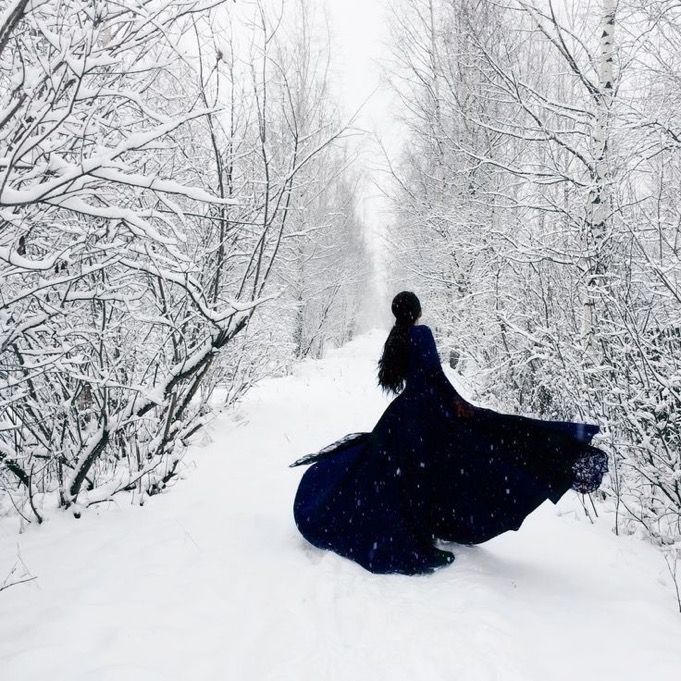
Ever since I began this website, I have longed to write this post, for winter, without a doubt, holds my heart as the most hauntingly poignant and beautiful of all seasons. The naked, skeletal trees, the meditative silence of falling snow, and the sharp breath of icy winds evoke an atmosphere of solitary yet seductive darkness that has shaped and inspired so much of the music I hold most dear. This collection of fifteen albums, to me, most vividly encapsulates the mystic melancholy of winter, each one reflecting the season’s stark, austere beauty and emotional depth. Some are already revered as timeless masterpieces of wintry landscapes, while others remain more obscure, hidden treasures nonetheless rich in the enigmatic charm of frost and shadow. May this musical tapestry of solitude, loss, and longing bring solace, and perhaps a few snowflakes of hope, to the soul-stirring, windswept days of winter ahead.
Disintegration by The Cure
Gothic Rock, Dream Pop, Ethereal Wave, Post-Punk
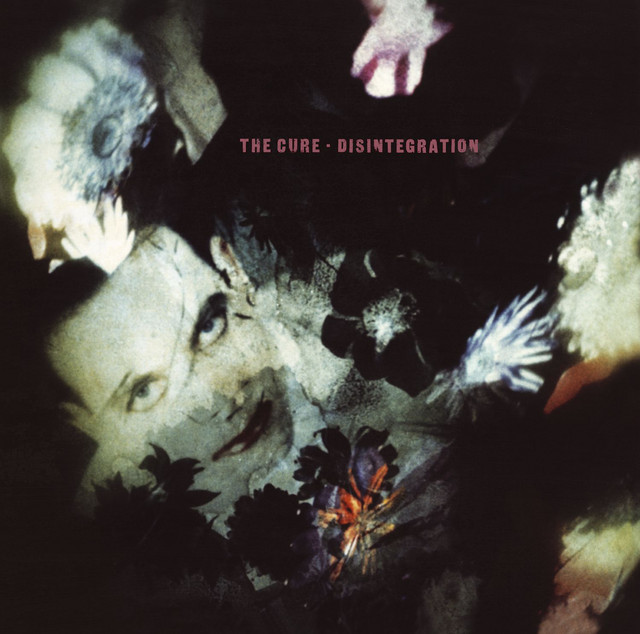
Disintegration by The Cure has been my sanctuary for as long as I can remember, an empathetic heart where every ache, regret, and fragile glimmer of hope is transformed into a tender yet devastating meditation on love, loss, and loneliness. It is infinitely more than just an album to me—it is a sonorous mirror to the deepest parts of my soul, a haunting reflection of longing, solitude, and despair. With every note, the songs of Disintegration seem to whisper and wail to the buried yearnings and laments concealed deep within the heart. Since I first encountered it at thirteen, it has remained a steadfast companion, especially during still, silent, solitary winter nights when the world feels as sullen and sorrowful as the album’s frozen, reverberant sonic realms.
Disintegration is an unrelenting cathedral of sorrow, a sprawling lament that pulses with existential yearning so sunken and hollow that it dismantles any lingering illusion of hope. The Cure weaves a harrowing elegy to the inexorable passage of time and the decay etched into the human condition. Deeply rooted in the gothic tradition, the album dwells in the liminal threshold where despair and ecstasy coalesce, where the pain of sadness and the strange pleasure of it intertwine and transfigure into something sublime. Each melody and lyric unfurls a tapestry of raw vulnerability that trembles with something essential to what it means to be human: to love, to lose, to long, to desire, to despair, and to die.
Steeped in solitude, the album thrums with the insatiable pulse of love, infused with a beauty inseparable from loss, always teetering on the verge of devastation. The gloomy, penetrating guitars shimmer and weep like frozen raindrops, while Simon Gallup’s haunting basslines tremble with a seismic solitude, plunging the listener into shadowed depths of despair. The icy synths and spectral sound effects envelop the album in tremulous tones that summon the desolation of a winter storm, evoke the loneliness of rain-slicked streets, and conjure the vast emptiness of barren winter skies.
At the heart of Disintegration, Robert Smith’s gut-wrenching cries traverse bleak terrains of love and decay, nostalgia and remorse, drawing forth emotions buried deep within the concealed layers of broken hearts. The album whirls like a blizzard of bittersweet beauty, reckoning with one of the most excruciating forms of heartbreak: being the architect of your own ruin, the destroyer of your own hope, and the helpless witness to the devastation left in your own wake. It is the ultimate hymn to the pangs of self-destruction, self-hatred, and remorse, creeping with the slow, terrible surrender to the frigid grip of fate. It is the chilling yet empty resignation of realizing that “it’s easier to get closer to heaven than to ever feel whole again,” the soul-shattering abyss of knowing “how the end always is.”
From the feverish, frantic lust of “Fascination Street” to the murderous melancholy of the title track, the latter half of Disintegration descends into a desolation so deep, sharp, and unforgiving that it evokes the fatal frostbite of winter itself. The closing tracks sound piercingly bleak, summoning the slow deathliness of hypothermia: a still, sharp emptiness that seizes and encloses its victims in an ineluctable prison of hopelessness—an agonizing hunger for warmth, an aching thirst to survive, a longing to turn back the clock, and a pining for a past that may never have truly existed. Each note resonates with the helpless howls of a soul enmeshed in its own longing, entombed in its own snowstorm of solitude and sorrow.
Disintegration is the sound of a soul breaking apart, unraveling, and ultimately dissolving into the bitter frost of snow. Yet within this dissolution lies an arcane pleasure: a strange catharsis in finally being able to fall apart, an unexpected solace within the painful throes of solitude. It is an elegy as enduring as the coming and going of winter itself, for it pulses with the bittersweet rhythms intrinsic to the human condition: the loving and losing, the suffering and dreaming, the living and dying that shape and undo us. Whether you find yourself enraptured, entranced, or undone by the chill of winter, Disintegration evokes the solace that even in the coldest, darkest nights, even in the depths of the most desolate despair, some dim flicker of light remains. In the loneliest of moments, it recalls the universality of suffering, the intrinsic ache of existence, and the sadness that binds us together in beautiful disintegration, reminding us that even in solitude, we are never truly alone.
Favorite Tracks: Disintegration, Prayers for Rain, The Same Deep Water as You, Fascination Street, Last Dance.
Ashes Against the Grain by Agalloch
Atmospheric Black Metal, Post-Metal, Depressive Black Metal, Gothic Metal, Doom Metal, Dark Folk, Ambient, Progressive Metal, Post-Rock

Always competing with Disintegration as my favorite album of all time, Agalloch’s Ashes Against the Grain emerges as a dirge to impermanence, a lament for the fleeting and fragile beauty of nature set against the violently unyielding passage of time. My spirit has long been drawn to the majestic Douglas firs and western hemlocks that tower over the dark old-growth forests of the Pacific Northwest. Years ago, this mystical allure—some strange, elusive force from deep within my soul—compelled me to journey three thousand miles from my Massachusetts home to attend college in Oregon and finally wander the mossy Northwestern forests that had felt like my spiritual home long before I ever set foot there. When I first entered the Pacific Northwest woods, their embrace overwhelmed me, and I felt as though meaning lay hidden in every shadow, crevice, and branch.
Ashes Against the Grain feels as though it were born from the primordial cracks of those towering trees, a seamless current of melody drenched in the somber, shimmering hues of dusk. The album captures the eerie, luminous divinity that saturates every leaf, every current, and every crystalline drop of Pacific Northwest snow. Agalloch articulates an auditory landscape that is both colossal and intimate, deeply human yet undeniably numinous. With its masterful interweaving of post-metal, black metal, and dark folk, Ashes Against the Grain becomes a sparse, melodic hymn as timeless as the ancient sway of forest winds.
With the mournful tenderness of folk music and the vast darkness of black metal, Agalloch moves through cycles of entropy and renewal, birth and death, creation and destruction. The album gradually unveils the beauty inherent in decay, the quiet solace of decomposition, and the numinous light that flickers as humans fall alongside the earth they inhabit. Its melodies—melancholic yet majestic—resound with an eerie, ineluctable grief. And yet, within this sorrow lies reverence, romantic yearning, and above all the deepest love for the natural world. The title itself evokes that ephemeral yet enduring essence: ashes, the remnants of something once ablaze with living light, scattered against the grain of winter’s decay, bound to the frost of nature’s impermanence.
The album is a love letter to the Pacific Northwest—the strange, primeval land where the vastness of nature overwhelms human presence and envelops you in a solitude that is both haunting and strangely consoling. Ashes Against the Grain becomes a meditation on humanity’s bond with the natural world, an embrace of the inexorable interplay between life and death, and above all an ode to the enduring intertwinement of melancholy and beauty.
Favorite Tracks: Falling Snow, Fire Above, Ice Below, Our Fortress Is Burning, Not Unlike The Waves, Limbs
Watching from a Distance by Warning
Doom Metal, Traditional Doom Metal, Epic Doom Metal, Slowcore
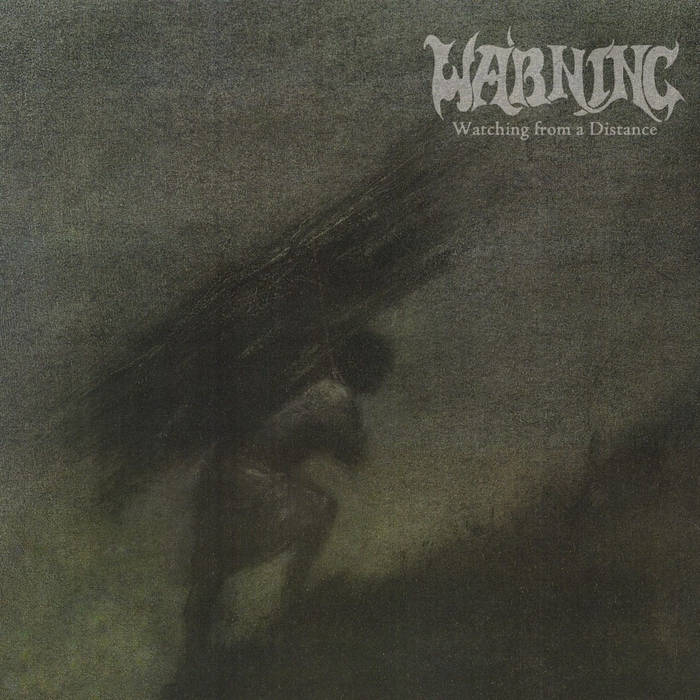
It would be difficult to encounter a work of art that captures the all-consuming void of loss as deeply as Warning’s Watching from a Distance. The doomy, smothering weight of this album confronts the listener with a sadness so profound, so heavy, and so inescapable that it trembles on the edge of the unbearable. And yet, within its oppressive shadows lies a comfort, a bleak allure that beckons you to continue listening, a depressive seduction not unlike the somber charm of winter itself.
The album’s slow, repetitive, hypnotic riffs spiral in agonizing patterns, each note burdened with an unremitting heaviness that repeats like a never-ending cycle of despair. Its somber, deliberately lifeless progressions wrap around and ensnare you, pulling you deeper into their mournful vacancy until you are fully enclosed in a solitude that feels both suffocating and strangely intoxicating.
Watching from a Distance is a lament for winter’s coldest, darkest, and most solitary nights, those moments when despair becomes the only constant, when all you can do is surrender to your solitude and bear witness to your own desolation from afar.
Favorite Tracks: Footprints, Watching from a Distance, Faces
Treasure by Cocteau Twins
Ethereal Wave, Dream Pop, Gothic Rock
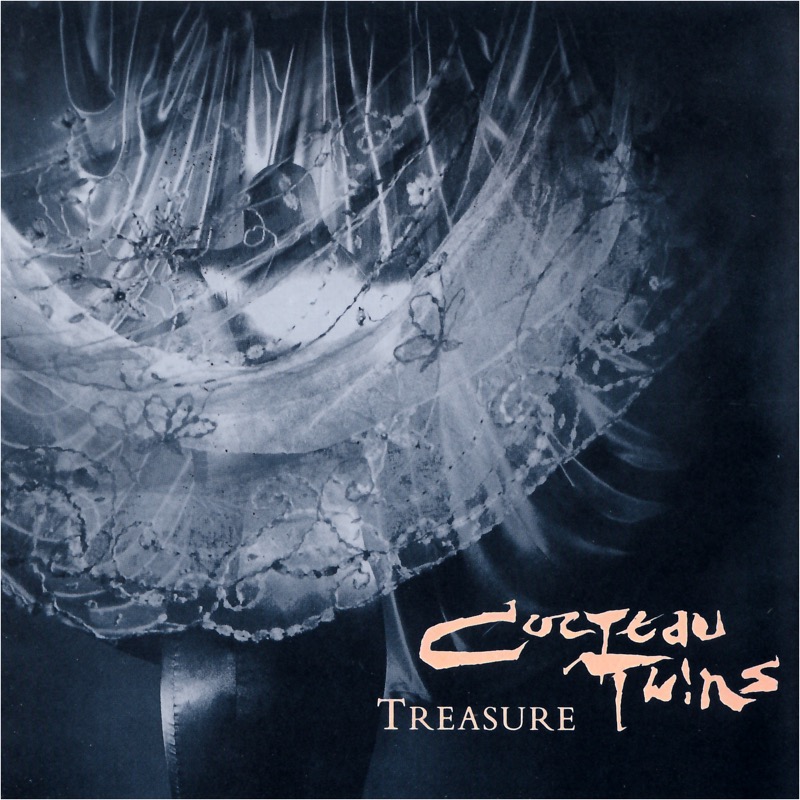
For an album less despairing yet equally evocative of the season’s melancholic majesty, Treasure by Cocteau Twins offers a fresh breath of celestial air amid the dark frost of winter. It is a crystalline chant resounding with the season’s fleeting beauty, like frost glinting in the pale light of a low winter sun.
While the wistful sound of Treasure echoes with the cold introspection of the season, it glows with a shimmering, prismatic light distinct from the hopeless rain of Disintegration, the sublime isolation of Ashes Against the Grain, or the suffocating despair of Watching from a Distance. Instead, its spirit belongs to the ethereal glow of winter, to snow-laden landscapes and barren trees silhouetted against cold, gleaming skies. It whispers of winter’s liminal duality, existing between waking and dreaming, persistence and stillness. The album’s weave of iridescent guitar textures and Elizabeth Fraser’s celestial, wordless vocals seems to move beyond language, resounding with feelings that are both primordial and ineffable. Its abstract lyrics dissolve like snowflakes upon touch, leaving behind only a faint impression of longing, fragility, and mystery.
Treasure encapsulates the season’s romantic yearning, summoning the quiet longing that lingers in the invisible spaces of frigid winter winds. It is an ethereal, mystical treasure of the melancholy that inhabits the cold voids of the heart, and of those moments of beauty that fade almost as soon as they appear.
Favorite Tracks: Lorelei, Persephone, Pandora (for Cindy), Domino, Beatrix, Ivo
Cold by Lycia
Ethereal Wave, Gothic Rock, Dream Pop, Ambient
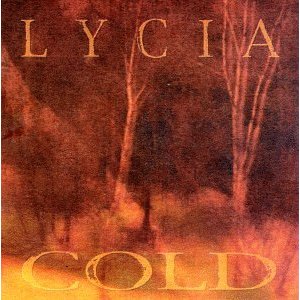
The title of Cold by Lycia captures the essence of the album almost perfectly: an ambient, gothic, diaphanous soundscape hewn from the frozen void of winter. This wistful work of sparse minimalism and brooding atmosphere melds icy ambient textures and dissonant tones with harrowing, seductive vocals, steeped in the long shadows of time’s inexorable passage. From the first breath of “Frozen,” Cold envelops the listener in a realm where meaning is veiled in despair, where each chime reverberates with solitude and each echo seems to carry some forgotten remnant of time.
Perhaps more than any other album on this list, Cold embodies the essence of winter—not merely as a season, but as a state of existence: fragile, decaying, and longing. Lycia, one of my all-time favorite artists, captures the primal darkness of time’s passage and the ancient melancholies of human yearning. Cold evokes a stark atmosphere of austere beauty and quiet despair, its vast, sparse expanses conjuring endless frozen plains and distant, unreachable stars, while each note creates a soundscape as expansive as it is intimate.
Listening to Cold feels like standing utterly alone atop a snow-covered peak, the biting wind brushing against your skin as your gaze stretches across a barren expanse of monumental mountains. Each breath of icy air seems to carry the murmur of something forgotten and primordial. The album resonates with a numinous melancholy, a longing that feels both otherworldly and deeply human.
Favorite Tracks: Bare, Frozen, Drifting, Baltica
Closer by Joy Division
Post-Punk, Gothic Rock, Coldwave, Synthpop

Now, for the pinnacle of existential despair and spectral beauty: the album on this list that most fully captures the glacial isolation of winter’s bitter frost. Closer reverberates with the sound of a soul unraveling in solitary dissolution. Its stark, unrelenting cold weaves austere, spectral textures that evoke barren winter landscapes, becoming a sonic meditation on mortality, alienation, and the darker depths of human suffering.
From the opening moments of “Atrocity Exhibition,” the melodic yet deeply melancholic basslines pulse like a fragile heartbeat beneath an icy surface, setting the album’s somber tone. Each track unfolds like a chapter in an elegy, but none more hauntingly than “The Eternal,” whose funeral pace and sparse arrangement evoke the cold stillness of a snowbound world inching toward oblivion. Meanwhile, the metallic shimmer of “Isolation” moves with an almost illusory grace, mirroring the detached alienation at the heart of the album—a dissonant interplay between motion and stasis, warmth and frost. Closer is an icy, haunting masterpiece, a work that finds an unexpected beauty within despair, its austerity illuminating the dark, frozen recesses of the soul. The album does not merely evoke winter; it seems, in some strange way, to become it, embodying the stark elegance of frost and the profound quiet of snow-covered desolation.
Favorite Tracks: Decades, Atrocity Exhibition, The Eternal, Isolation, Twenty Four Hours
Damnation by Opeth
Progressive Rock, Progressive Metal

Another of my all-time favorites, Opeth’s Damnation stands as a luminous work of melancholy and introspective sorrow, full of the reflective beauty that lingers in a winter forest. Unlike the naturalistic decay evoked in Ashes Against the Grain, Damnation turns inward, centering the fragile sorrow of the human spirit and offering an intimate meditation on longing and the quiet ache of existence. It feels like a relic from another world, an elegy murmured from winter’s cold stillness, where dormancy and silence seem to veil the slow erosion of light.
The soul of the album is perhaps best captured in “Closure.” As Mikael Åkerfeldt sings, “in the rays of the sun I am longing for the darkness,” he gives voice to a yearning familiar to those who find solace in winter’s cold embrace, those who feel burdened by the oppressive heat of summer and instead ache for the shadowed calm of darker months. Damnation is not simply an exploration of sadness, but an ode to its depth—a deep embrace of sorrow’s strange and sublime power. For those who have fallen in love with winter’s bitter cold, Damnation is more than an album; it is a refuge.
Favorite Tracks: Windowpane, In My Time of Need, Death Whispered a lullaby, Closure, To Rid the Disease, Hope Leaves
The Mantle by Agalloch
Atmospheric Black Metal, Post-Metal, Dark Folk, Folk Metal, Neofolk, Post-Rock, Depressive Black Metal
Although The Mantle feels less overtly wintry than Ashes Against the Grain, it remains a monumental work of atmospheric melancholia, a profound aural odyssey that, like Ashes, captures the sublime beauty of nature and humanity’s longing for the divine. Breathing beneath the introspection, solitude, and transformation of snow-laden skies, The Mantle stands as another Agalloch hymn to the primordial majesty of the Pacific Northwest. Yet where Ashes broods with nihilistic despair, The Mantle shimmers with a quieter hope.
Both albums mourn humanity’s estrangement from its primordial roots while exalting nature’s transcendent force; yet where Ashes laments, “The god of man is a failure / And all of our shadows / Are ashes against the grain,” The Mantle offers a glimmer of revelation: “If this grand panorama before me is what you call God / Then God is not dead.” Where Ashes portrays the bitter disillusionment of a species abandoned to decay, The Mantle gestures toward the rediscovery of the divine—not as abstraction, but as an immanent force woven into ancient forests, frozen rivers, and the ceaseless rhythms of the earth. It captures the intuition that spiritual meaning, though often obscured, remains hidden in the stillness of the natural world. Its delicate acoustic guitars, melodic and mournful, intertwine with electric passages that rise like distant storms, evoking both the gentleness of frost and the ferocity of wild landscapes. Traversing the shrieking abyss of black metal and the mythic echoes of folk instrumentation, The Mantle carries the listener through snow and shadow while quietly pointing toward the divine. In its haunting synthesis of despair and hope, it becomes a testament to the frailty and endurance of the human spirit and to its unbroken bond with the spiritually resonant cycles of the natural world.
Favorite Tracks: In the Shadow of Our Pale Companion, You Were But A Ghost In My Arms, … And The Great Cold Death Of The Earth, Odal, The Hawthorne Passage
Nótt eftir nótt by Kælan Mikla
Darkwave, Coldwave, Synthpop, Post-Punk
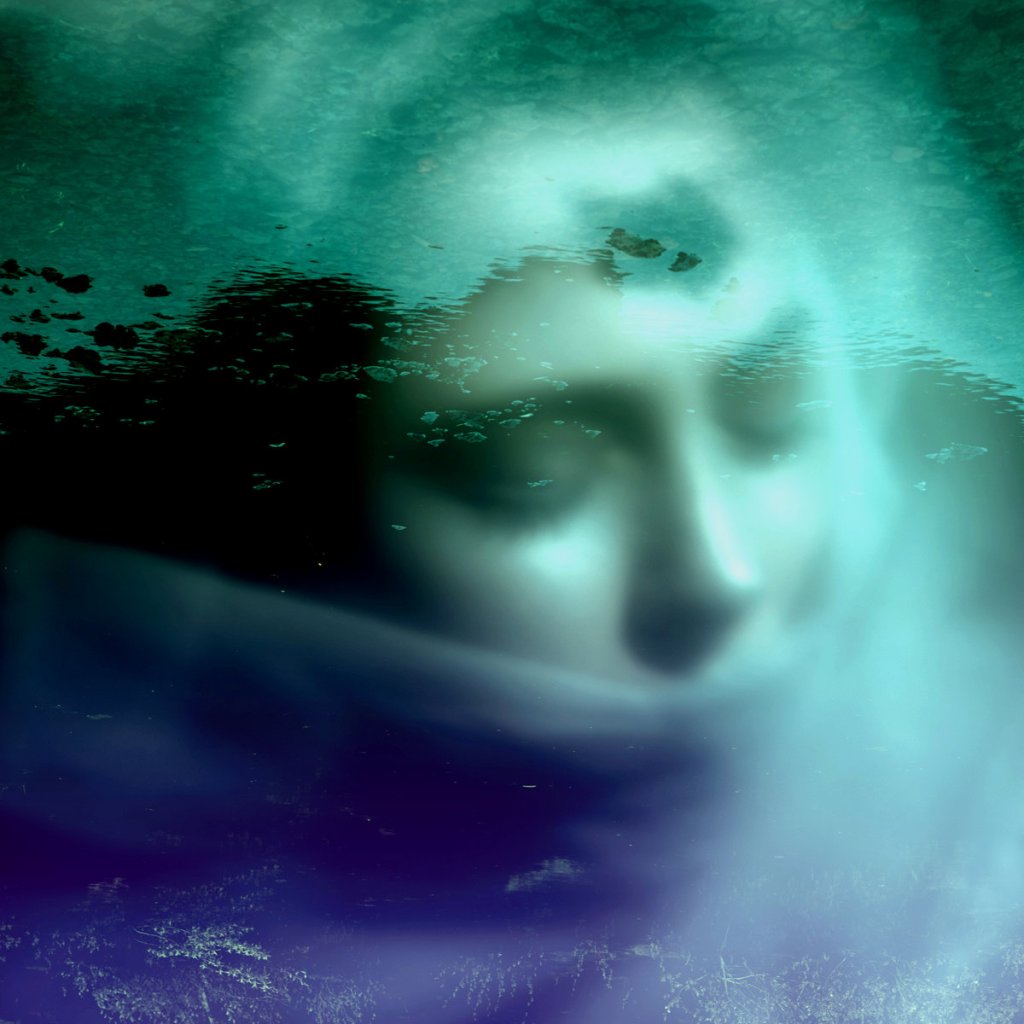
The crystalline synths of Kælan Mikla’s Nótt eftir nótt shimmer like starlight piercing the Arctic night, conjuring the elusive, mystical allure of Iceland’s frozen wilderness. Each note carries the spectral chill of winter, drawing the listener into an otherworldly soundscape that feels both primordial and dreamlike. Nótt eftir nótt feels almost like an invocation, a ritual hymn to unseen forces moving at the edges of darkness, steeped in Icelandic folklore and reverberating with the enigmatic power of feminine darkness.
Through the glacial elegance of tracks like “Draumadís” and “Hvernig kemst ég upp?,” Kælan Mikla craft an enchanting rhythm, weaving siren-like vocals and icy instrumentation into something quietly spellbinding. Their music seduces and unsettles, drawing the listener into a realm where the gothic mingles with pagan mysticism and Icelandic fairy tale. Nótt eftir nótt is a darkwave incantation, a bewitching ode to the feminine forces of winter and night. Its blend of icy textures and haunting rhythms feels like a timeless tribute to the dark, mystical beauty of the winter night.
Favorite Tracks: Hvernig kemst ég upp?, Draumadís, Næturblóm, Nornalagið
Bergtatt by Ulver
Atmospheric Black Metal, Dark Folk, Pagan Black Metal
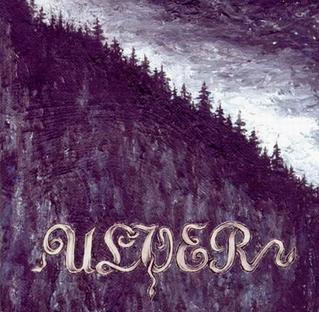
Undeniably one of the most transcendent black metal albums ever made, Ulver’s Bergtatt stands as a quintessential winter opus—an atmospheric tapestry woven from folkloric myth and the austere beauty of snow-clad wilderness. Blending the frostbitten intensity of black metal with the delicate grace of Norwegian folk, Bergtatt unfolds as a five-part elegy to loss, longing, and transcendence, carried like whispers through an ancient, snow-laden forest.
Favorite Tracks: Capitel I: I troldskog faren vild, Capitel II: Soelen gaaer bag aase need, Capitel V: Bergtatt – Ind i fjeldkamrene
Faith by The Cure
Gothic Rock, Post-Punk, Coldwave, Ambient
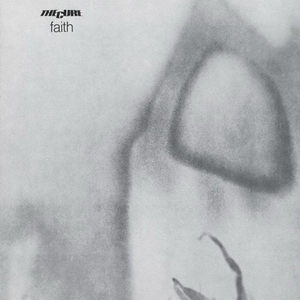
Nearly all of The Cure’s discography could find a place on this list, yet Faith rises as one of their most quintessential winter elegies. A spectral gothic hymn to despair and disillusionment, it unfolds like a requiem through shadowed corridors of loss, longing, and solitude. The album captures the stark beauty and aching stillness of a frozen landscape, moving through grief, existential uncertainty, and the slow erosion of hope. Stark, sparse, and spectral, its haunted minimalism mirrors the grayest winter skies, enveloping the listener in a melancholy so profound it feels almost sacred. Faith lingers like cold air after nightfall, its droning ambient shadows leaving behind a sense of sorrow that remains long after the music ends.
Favorite Tracks: Charlotte Sometimes (Bonus Track), Faith, Primary, The Holy Hour, The Drowning Man
Il était une forêt by Gris
Depressive Black Metal, DSBM, Atmospheric Black Metal, Dark Folk
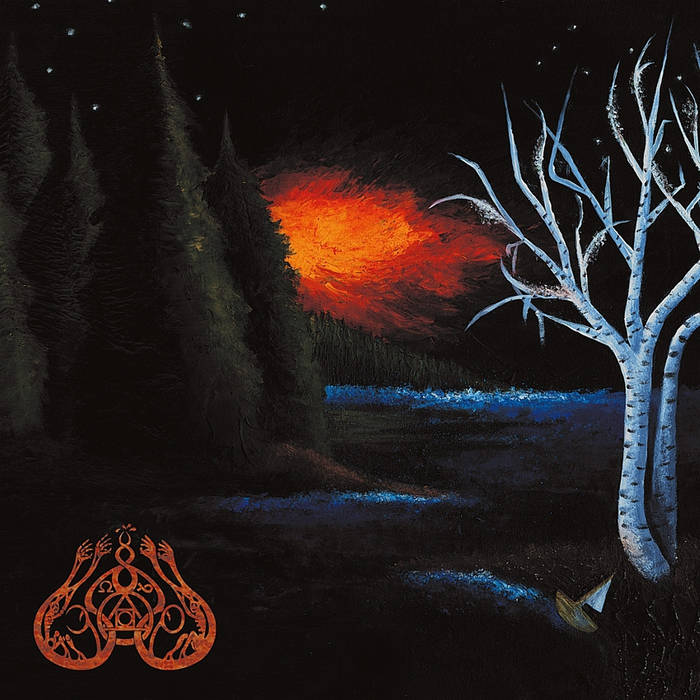
Il était une forêt, my personal favorite among depressive black metal albums, is a harrowing cry of anguish that envelops the listener in a maelstrom of shrieking despair. Yet within that suffocating pain, it also conjures folkloric and pagan soundscapes steeped in the haunting beauty of shadowed forests and untamed wilderness. Il était une forêt does not simply depict sorrow; it immerses you in it, saturating every moment with the melancholic, elemental spirit of the natural world.
Favorite Tracks: This is an album that demands to be listened to and appreciated as a whole.
Musick to Play in the Dark (1 & 2) by Coil
Electronic, Experimental Dark Ambient, Post-Industrial, Spoken Word
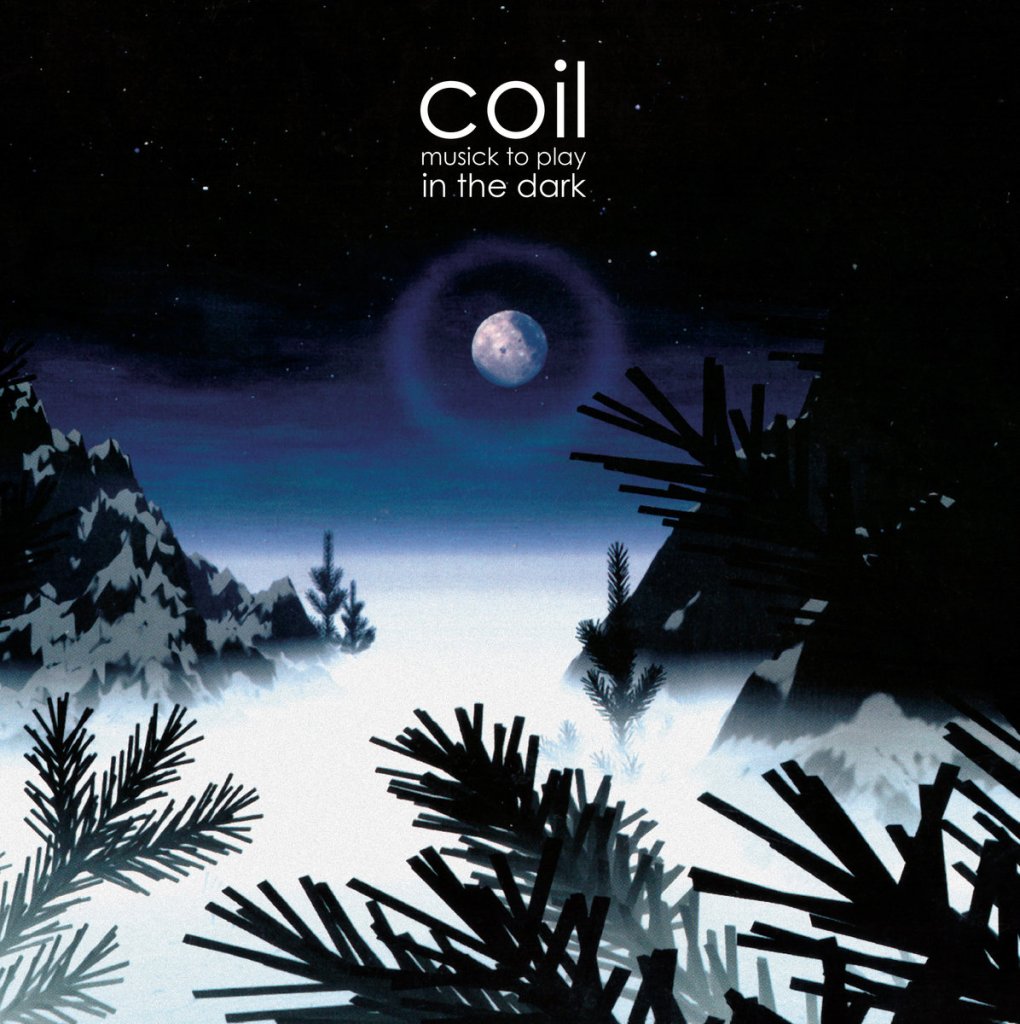
If you want to immerse yourself in the unsettling solitude of a shadowy forest on an achingly cold winter night—nails bitten from the chill and from the creeping fear of what might be lurking beyond the veil of darkness—Musick to Play in the Dark is a fitting passage into that foreboding realm. It is a seductive exploration of fear, weaving a soundscape that captures the oppressive, uncanny, and strangely alluring intensity of a dark winter night.
Favorite Tracks: Where Are You?, Are You Shivering, Red Queen, The Dreamer Is Still Asleep, Ether
The Damp Chill of Life by None
Depressive Black Metal, Atmospheric Black Metal, DSBM, Ambient, Post-Metal
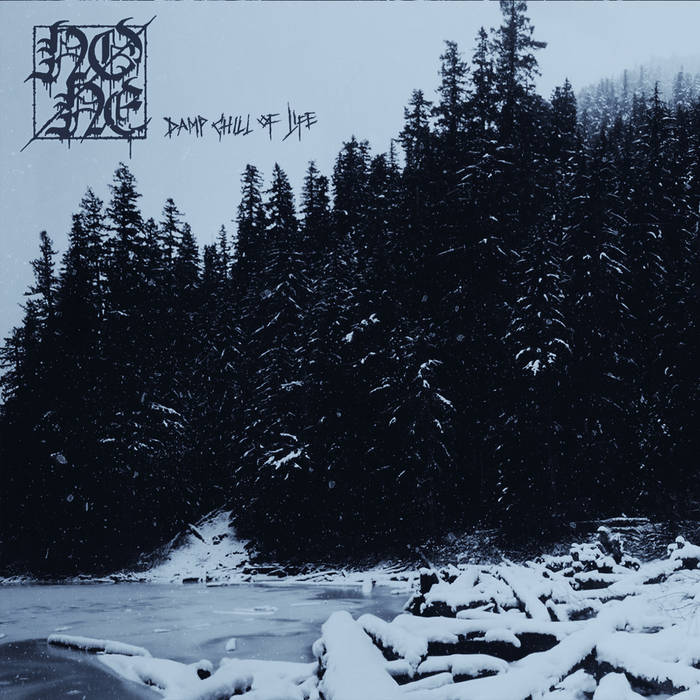
Another of my favorite works of depressive and atmospheric black metal, The Damp Chill of Life stands as an essential soundtrack for the desolate loneliness of cold winter nights. Much like Il était une forêt, it immerses the listener in a sonic world of profound melancholy, where each note seems to drip with solitude and frostbitten despair. With raw, anguished vocals echoing like cries lost in the void and atmospheric layers that feel both expansive and suffocating, The Damp Chill of Life captures winter’s relentless grip on the soul. It is not merely an album, but a cathartic journey through the isolating beauty of cold, melancholic nights—a hymn to the bittersweet solitude found in frost-laden stillness.
Favorite Tracks: The Damp Chill of Life, Fade, It’s Painless to Let Go
Linea Aspera by Linea Aspera
Darkwave, Synthpop, Coldwave, Minimal Synth
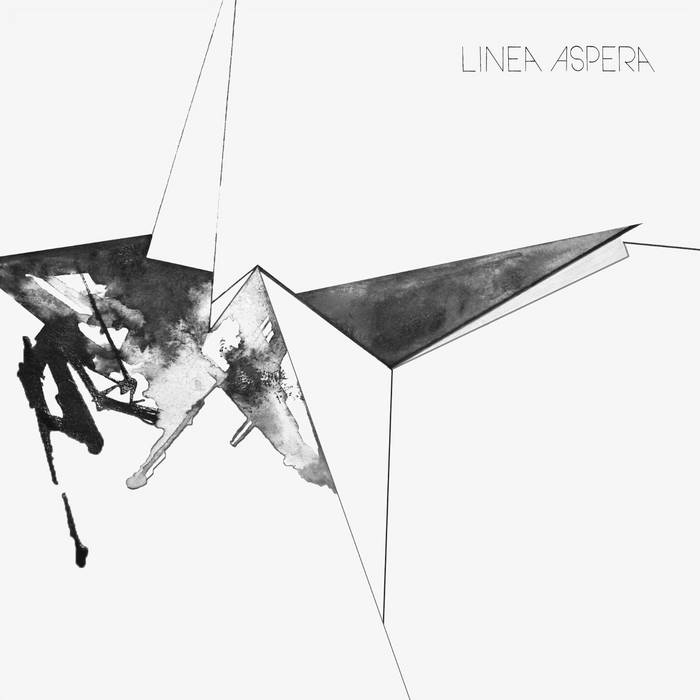
My favorite darkwave album of all time and a definitive masterpiece of the genre, Linea Aspera stands as an unparalleled winter hymn. Its stark, icy synths carve through a labyrinth of human emotion, their analog precision cutting into the haunting echo of unspoken desires. A true treasure of darkwave, the album captures the melancholic power of wintry synths with remarkable elegance, resonating with the cold clarity of winter’s breath and the vulnerability it exposes. The synths shimmer with clinical precision, yet their timbre carries an aching intimacy—a fragile balance between detachment and longing. Through its intricate and meticulously crafted sonic layers, Linea Aspera becomes a contemporary gothic elegy, a meditation on the voids we yearn to fill and the distances we ache to cross. With its oscillation between intimacy and isolation, it creates a sonic landscape as stark, intricate, and beautiful as winter itself. It remains a timeless ode to the spaces we inhabit, both within and without, and a haunting testament to darkwave’s ability to illuminate the shadowed depths of the soul.
Favorite Tracks: Lamanai, Malarone, Synapse, Eviction, Hinterland, Fer-De-Lance
Honorable Mentions: Pornography by The Cure, Bloody Kisses by Type O Negative, Discouraged Ones by Katatonia, Violator by Depeche Mode, Fragments of Memories by The frozen Autumn, Seventeen Seconds by The Cure, Vespertine by Björk, Écailles de lune by Alcest, Blue Bell Knoll by Cocteau Twins
 Ava Linda Feliz-Sutter
Leave a comment